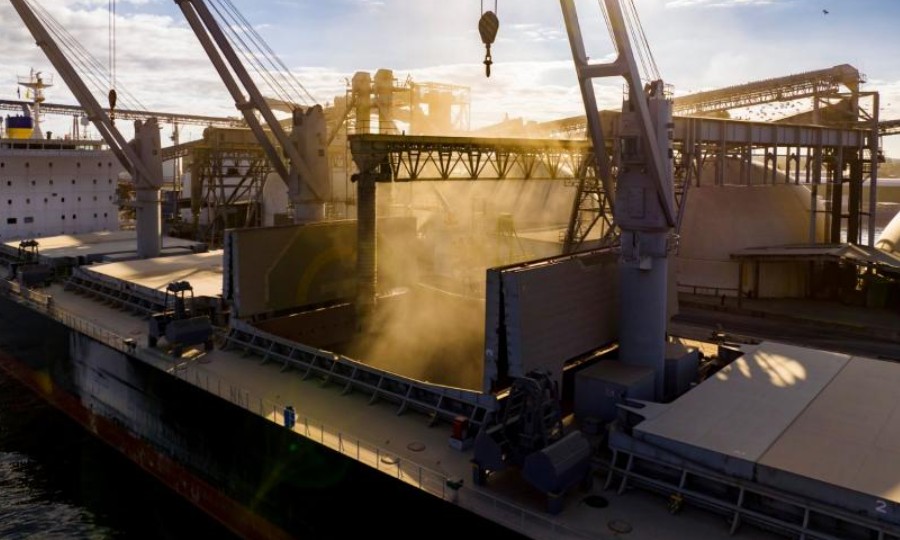
Estonia, Latvia and Lithuania have urged the EU to prohibit Russian grain transit through its territory, aiming to deny Moscow alternative export corridors as disruption in the Black Sea changes shipping patterns. Splash 247 reported that the three governments outlined their proposal in a joint letter to European Council president António Costa and European Commission president Ursula von der Leyen. No EU-wide prohibition has been adopted.
The Baltic leaders said Russia was attacking Ukrainian ports, commercial vessels and transport links while seeking other outlets for its own agricultural exports. Their proposed restrictions would cover grain passing through EU territory to overseas markets. They would not prevent direct exports from Russian ports such as Ust-Luga and Vysotsk, but would remove EU ports and inland transport routes as potential alternatives.
Figures from IFCHOR Galbraiths cited by Splash 247 show Russian Baltic and continental port grain loadings reached 1.16m tonnes in September, against 216,000 tonnes in August. Ust-Luga handled 545,000 tonnes and Vysotsk 374,000 tonnes. Monitored shipments from the Russian Black Sea and Azov ports fell from 1.39m tonnes to 201,000 tonnes over the same period, taking the Baltic share of combined shipments from 12.6% to 80.7%.
The rerouting carries a substantial cost penalty. IFCHOR Galbraiths estimated that Baltic Russia-to-Egypt grain transport costs were about 30%-35% higher per tonne than shipments from traditional Russian Black Sea ports, using freight levels before the latest escalation. Russia has sought to cushion that disadvantage with rail subsidies, temporary export-duty relief and preferential rail access for grain. Longer voyages could support tonne-mile demand and geared bulker employment, although total monitored Russian grain loadings across the regions covered by the broker fell 16% month on month in September.
National restrictions are already developing. Estonia approved sanctions earlier this month barring Russian and Belarusian grain transit through its ports for products in the CN 10 commodity group. Latvia increased grain-origin checks at its ports in September after greater interest in routing Russian cargoes through the country, and has been preparing measures addressing shipments suspected of coming from occupied Ukrainian territory.
The joint appeal seeks a common EU approach alongside stronger EU-Ukraine Solidarity Lanes and action to keep grain from occupied Ukrainian territory from reaching international markets through European infrastructure. Estonian prime minister Kristen Michal is expected to bring the proposal to the next European Council meeting, according to Splash 247.