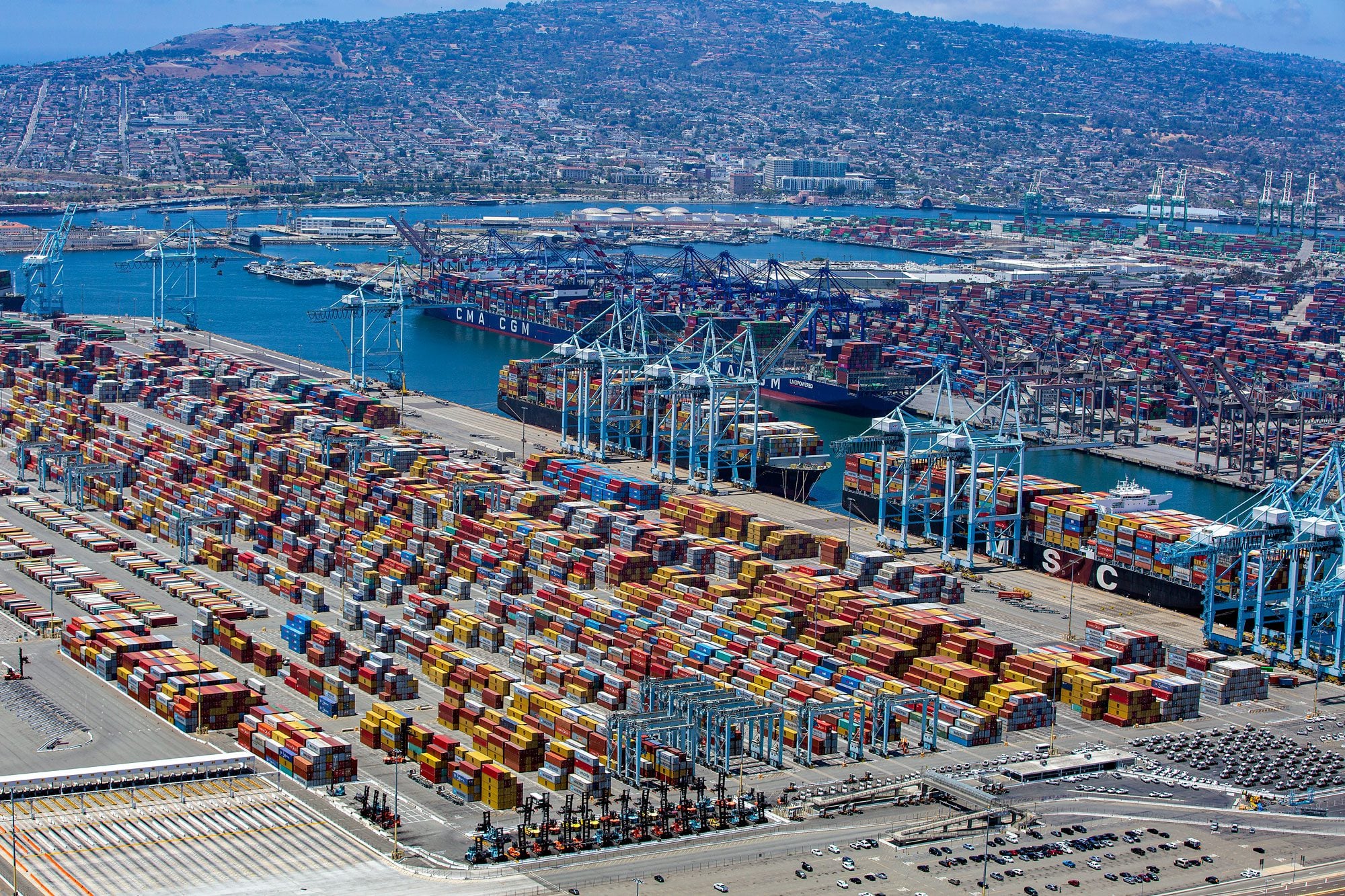
The Port of Los Angeles handled 1,042,652 twenty-foot equivalent units (TEUs) in September, its highest monthly throughput in 118 years, gCaptain reported. The total exceeded the previous record, established in July 2025, by more than 20,000 TEUs, as resilient consumer demand and changes in cargo routing supported traffic through the US container gateway.
Loaded imports increased 19% year on year to 545,696 TEUs, while loaded exports rose 10% to 125,751 TEUs. Empty container movements reached approximately 371,206 TEUs, also a monthly high. September rounded off a record quarter, with nearly 3 million TEUs processed between July and September. Throughput across the four months starting in June approached 4 million TEUs, setting another record.
Port executive director Gene Seroka linked the gains partly to increased clarity over tariffs, which he said had declined from levels earlier in the year and allowed importers to rebuild stocks. According to gCaptain, he also cited sustained consumer spending and disruption on routes using the Suez and Panama canals as factors drawing more cargo to Los Angeles.
The results reflected a longer-than-expected period of heavy shipping activity. Retailers had brought shipments forward earlier in the year to limit exposure to tariff changes and supply chain uncertainty, prompting expectations of an early seasonal peak. Instead, volumes stayed strong through the summer and into September. Across the first nine months of 2026, Los Angeles handled nearly 8.1 million TEUs, more than 3% above the corresponding period a year earlier.
At the port’s monthly media briefing, Harvard Business School professor Willy Shih said uncertainty over global trade was encouraging businesses to prioritise flexibility rather than cost alone. Companies were seeking more options for sourcing, manufacturing and transporting goods. Nevertheless, the outlook for continued record throughput remained uncertain: the National Retail Federation’s September forecast anticipated lower US import volumes in October and November after the prolonged surge.