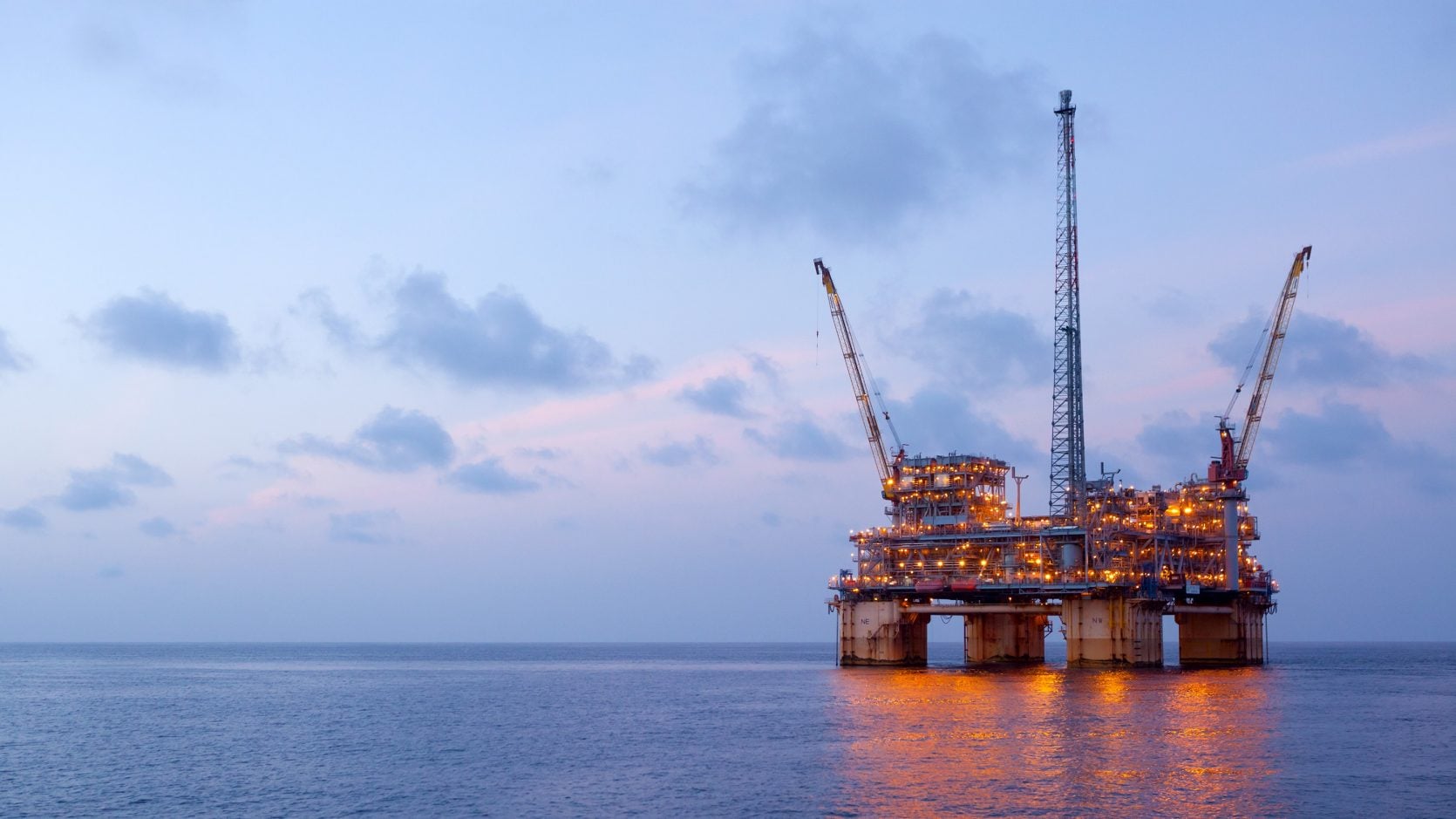
Shell Offshore has completed the sale of its interests in the Na Kika platform and related fields, together with the Coulomb tie-back, in the US Gulf of Mexico, Offshore Energy reported. The disposal transfers upstream holdings to a Talos Energy subsidiary and a Ridgewood Energy affiliate, while Shell Trading retains rights to take production under agreements negotiated with the buyers.
The assets sold comprise Shell’s 50% non-operated working interest in Na Kika and its associated fields, plus the wholly owned Coulomb tie-back. BP remains Na Kika’s operator and holds the other 50% working interest. Talos separately confirmed that its acquisition covers a 25% non-operated stake in Na Kika and four associated fields, alongside a 50% interest and operatorship in Coulomb.
According to Offshore Energy, Shell received approximately $840 million in cash at completion after adjustments covering the period from the transaction’s effective date of 1 July 2025 to closing. Consideration announced when the agreement was signed stood at $1.7 billion, before customary adjustments and certain contingent payments. Shell also retains access to uncapped upside-linked payments through 2027 and, subject to conditions, overriding royalties on production from new Na Kika tie-backs.
The buyers will assume certain decommissioning liabilities and provide security against those obligations. Shell presented the divestment as part of its portfolio reshaping to strengthen the resilience and competitiveness of its upstream business. Its entitlement production from the assets averaged 37,000 barrels of oil equivalent a day in 2025, the outlet reported.
Shell’s modelling indicates that neither Na Kika nor Coulomb will contribute meaningfully to its production by 2030. At the end of 2025, Shell’s proved reserves stood at 4.3 million barrels of oil equivalent for Na Kika and 7.2 million for Coulomb. The platform began production in 2003, followed by the tie-back in 2005. Talos chief executive Paul Goodfellow said the acquisition would expand the company’s scale, improve margins and free cash flow, and offer growth opportunities based on existing infrastructure.